メールでお問い合わせ : sales09@zwwheels.com
お電話ください : +86 (0)25 84725893
China offers a wide range of custom forged wheel suppliers, including manufacturers, trading companies, and specialized wheel solution providers. For international buyers, the key is not simply finding a supplier that can produce a wheel, but finding one that can properly manage fitment confirmation, drawing approval, production, inspection, and order coordination.
Custom forged wheel projects often involve different vehicle specifications, brake clearance, offsets, concavity, finishes, logos, and packaging requirements. These details should be reviewed and confirmed before production begins.
A suitable custom forged wheel supplier should be able to confirm vehicle fitment, identify the material used, provide a clear 3D drawing approval process, show real production and inspection evidence, explain the available testing documents, and confirm the MOQ, lead time, and basic warranty information in writing.
Whether you are a wheel distributor, tuning shop, performance brand, automotive parts importer, or private-label buyer, the following points can help you evaluate a custom forged wheel supplier in China.
1. Understand the Supplier’s Actual Role
The first step is to understand how the supplier operates. Some suppliers own production facilities, while others work with qualified production partners and focus on technical communication, production coordination, quality follow-up, export documentation, and after-sales service. A supplier does not necessarily need to own every machine involved in production. Buyers should understand who reviews the specifications, confirms the design, communicates with the production team, follows the schedule, and coordinates inspection.
For a custom forged wheel project, clear responsibility is often more important than a general statement such as “we are a factory.” A reliable supplier should remain involved throughout the project instead of simply transferring the order to a production partner and disappearing from the process.
2. Check Whether the Supplier Understands Vehicle Fitment
Correct fitment is one of the most important parts of a custom forged wheel order.
A professional supplier should not prepare a final quotation based only on wheel diameter and width. It should also review the vehicle application and technical requirements. The buyer may be asked to provide:
Vehicle make, model, year, and version
Front and rear wheel sizes
PCD or bolt pattern
Offset, also known as ET
Center bore
Original or upgraded brake information
Suspension modifications
Desired concavity
Reference wheel design
Intended vehicle use
Required quantity
If the original brakes and suspension have not been modified, some specifications may be checked according to the original vehicle setup. However, providing accurate PCD, ET, and center bore information can help reduce fitment mistakes. For upgraded brake systems, the supplier may require brake caliper dimensions, a brake template, or detailed brake system information. A supplier that immediately provides a final quotation without asking about the vehicle, brake clearance, or front and rear specifications may not have reviewed the project carefully enough.
3. Confirm the Material and Forged Blank Information
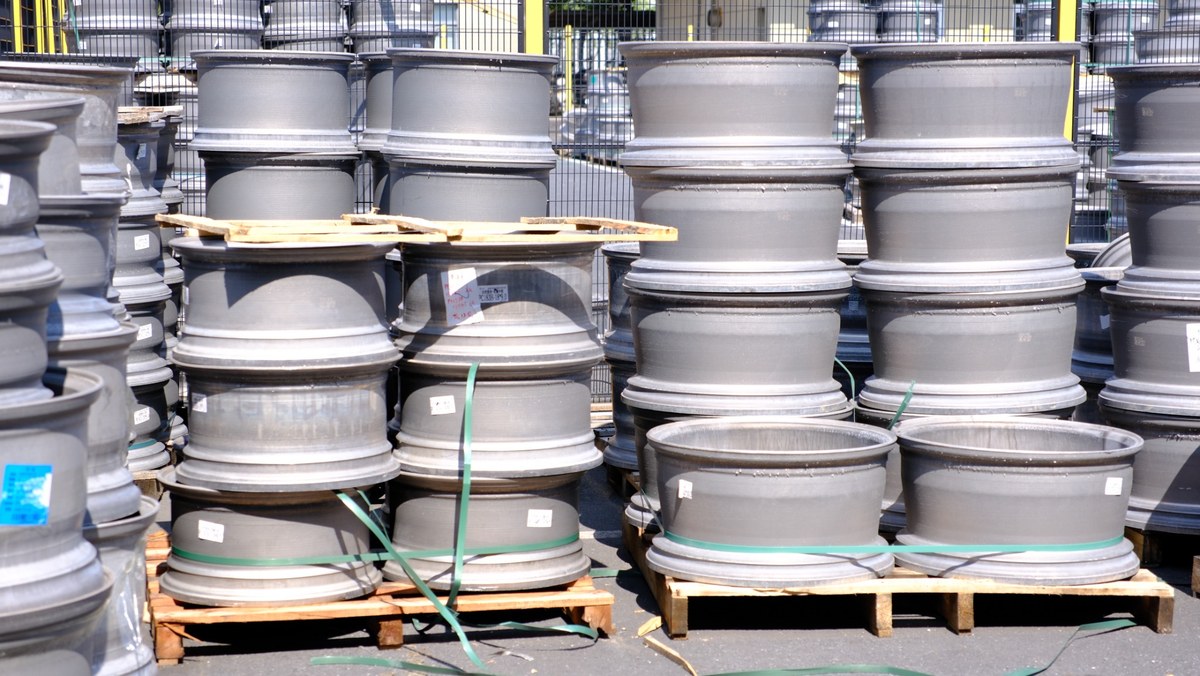
6061-T6 aluminum alloy is commonly used for custom forged wheels because it offers a practical balance of strength, weight, machinability, and corrosion resistance. The quotation or order confirmation should clearly state the material instead of using general descriptions such as “high-quality aluminum” or “aviation-grade material.”
Buyers can ask:
What aluminum alloy is used?
Can forged blank certificates be provided?
Is the forged blank suitable for the required wheel size and load?
Are the same material requirements applied to samples and mass-production orders?
Forged blank certificates can provide useful information about the source material. However, a material certificate alone does not prove that the completed wheel will meet every performance requirement. The final result also depends on wheel design, machining, heat treatment, dimensions, surface finishing, assembly, and inspection.
4. Review the 3D Drawing Confirmation Process
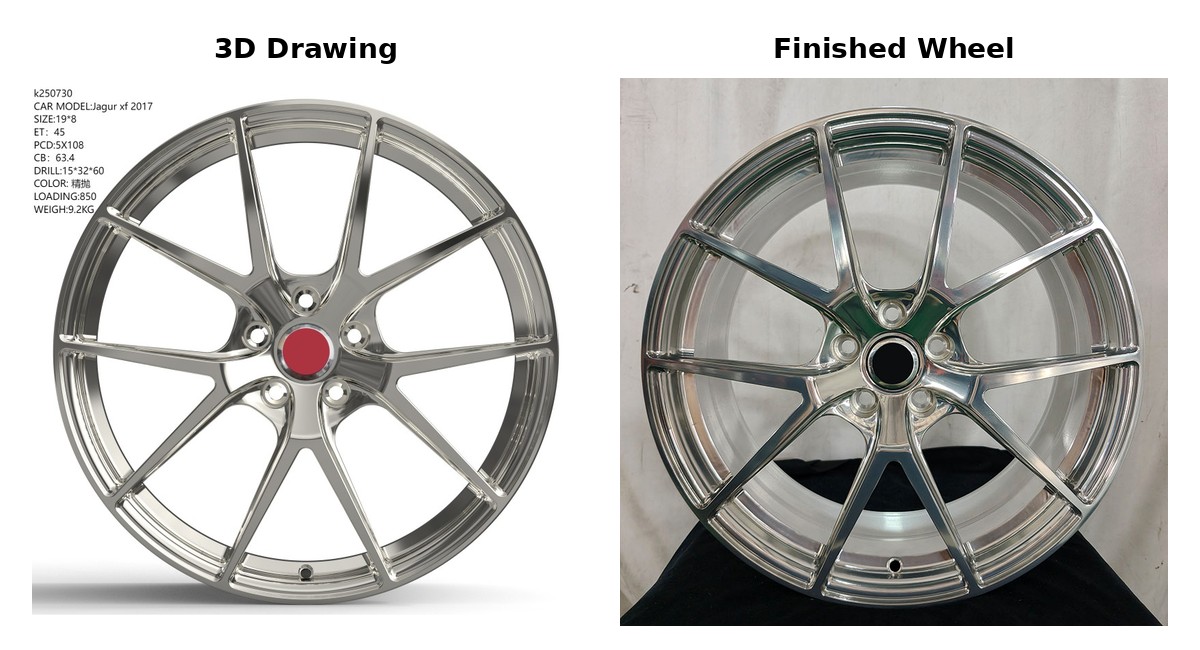
A clear drawing confirmation process can prevent many production disputes. For a custom forged wheel project, the supplier should normally prepare a drawing after the fitment and design requirements have been confirmed. A 3D drawing image may show:
Spoke design
Wheel proportions
Concavity
Front and rear differences
Center cap area
Logo position
General surface details
The buyer should check the drawing carefully before approving production. It is also important to confirm what type of file will be provided. A 3D drawing image for visual confirmation is not the same as an editable CAD or engineering file.
Buyers should confirm:
Which details are shown in the drawing
Whether revisions are available
Whether production begins only after written approval
What happens if specifications change after approval
Whether additional costs apply after CNC machining has started
A formal approval process protects both the buyer and the supplier.

5. Ask for Real Production and Inspection Evidence
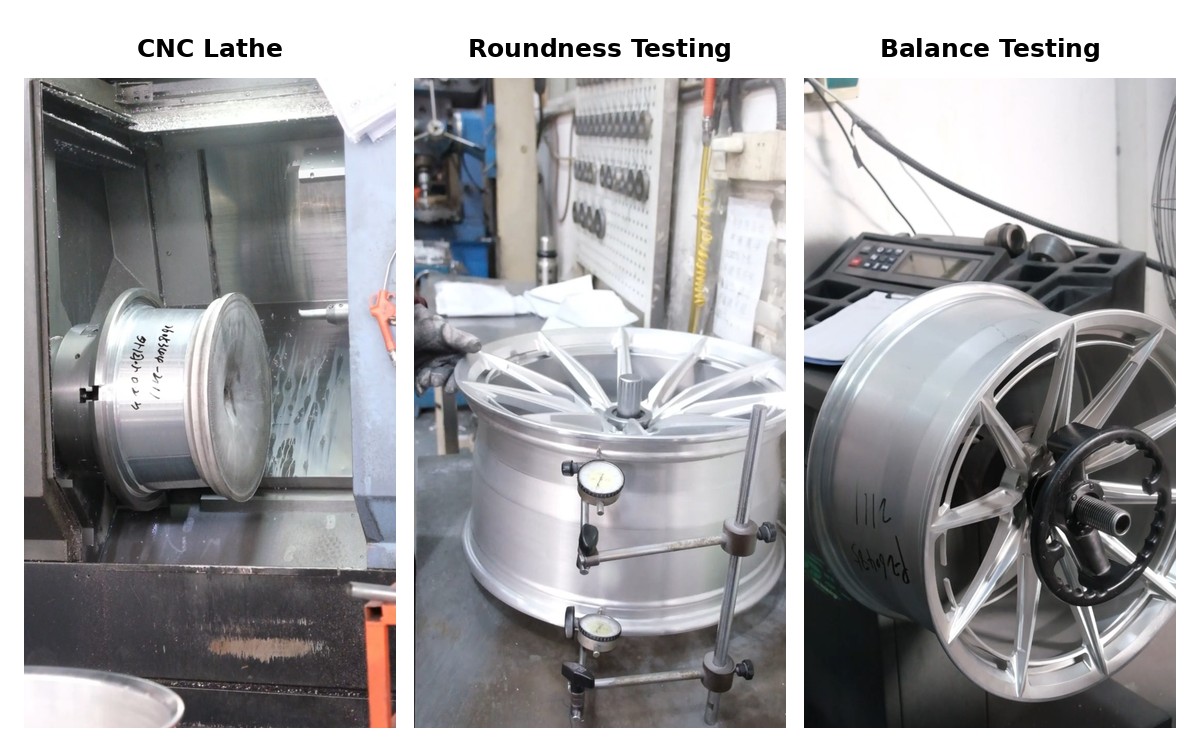
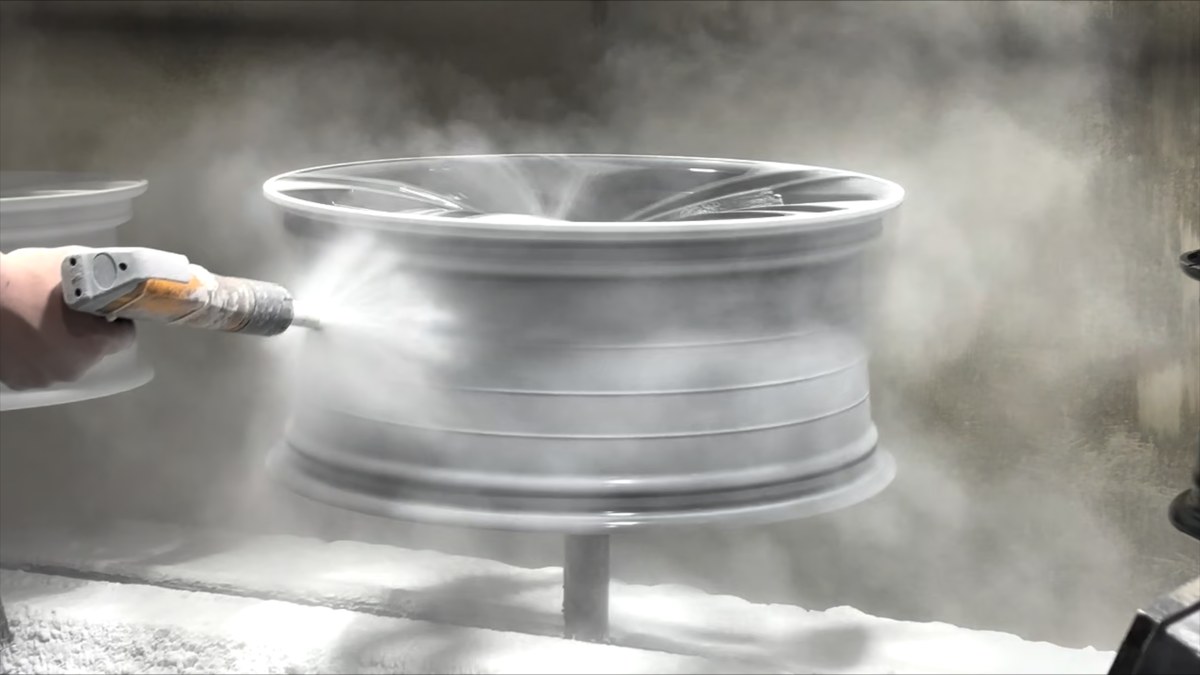
Catalog images and 3D renderings can show design possibilities, but they do not prove that a supplier is actively involved in production and quality control.Before placing an order, buyers can ask for real photos or videos showing forged blanks, CNC machining, surface finishing, wheel assembly, dimensional inspection, roundness testing, balance testing, and packaging.
Production and inspection videos are especially useful for overseas buyers who cannot visit the production site. However, buyers should check whether the supplier can connect the photos or videos to real projects rather than providing only general promotional footage. Roundness and balance testing are routine quality-control procedures. They should not be confused with structural performance tests such as bending fatigue, radial fatigue, and impact testing.

6. Check Which Test Reports and Certificates Are Available
Some markets, projects, and sales channels may require specific wheel approvals or test standards. However, not every custom forged wheel supplier holds JWL, VIA, TÜV, or SAE-related approvals, and a test report for one wheel design does not automatically apply to every customized wheel produced by the same supplier. Buyers should ask directly which documents are actually available. Depending on the supplier and project, available evidence may include:
Forged blank certificates
Bending fatigue test reports
Radial fatigue test reports
Impact test reports
Testing photos or videos
Test records from selected wheel samples
Domestic testing or certification documents
When reviewing a test report, buyers should check the applicable:
Wheel size
Wheel structure
Design
Load rating
Test conditions
Sample identification
A report for one wheel design does not prove that every custom wheel has identical performance. For projects that require a specific testing standard or market certification, the requirement should be confirmed before the order is placed. Testing costs, sample requirements, and production schedules may need to be evaluated separately.
7. Evaluate the Supplier’s Customization Capability
Custom forged wheels involve more than selecting a style from a catalog. Depending on the project, customization may include:
Monoblock forged wheels
Two-piece forged wheels
Three-piece forged wheels
Wheel sizes from 16 to 26 inches
Custom width
Custom PCD
Custom offset
Custom center bore
Different concavity levels
Spoke design changes
Custom logos and center caps
Custom colors and surface finishes
Private-label packaging
When comparing suppliers, buyers should ask how these requirements are recorded and controlled. The final specifications should not remain scattered across emails or chat messages. They should be included in the quotation, drawing, order confirmation, or production document. For staggered vehicle setups, the supplier should clearly identify the front and rear wheel sizes, widths, offsets, and concavity.

8. Check the Minimum Order Quantity
Minimum order quantity is particularly important for tuning shops, small distributors, new wheel brands, and buyers testing a new supplier. Some forged wheel suppliers mainly accept wholesale orders, while others can support small custom projects. A minimum order quantity of four wheels allows buyers to:
Test a new supplier
Confirm vehicle fitment
Evaluate machining and finishing quality
Produce a display vehicle
Develop a new design
Start a small private-label project
The unit price for a four-piece custom order is normally higher than the price for a larger production order. Programming, drawing preparation, CNC setup, finishing, inspection, packaging, and export handling costs are distributed across fewer wheels. A low MOQ is useful, but the supplier should still follow a formal fitment confirmation, drawing approval, and inspection process.
9. Compare Production Lead Times Carefully
Production time depends on wheel structure, design complexity, size, finish, quantity, and the current production schedule. As a general reference:
A four-piece monoblock forged wheel order may take around 14 working days after drawing confirmation
A two-piece or three-piece sample order may take around 20 to 25 working days
Larger production orders may take around 25 to 45 days
Special finishes, complex machining, custom hardware, repeated revisions, and peak production periods may require additional time. Buyers should confirm when the lead time officially begins. Possible starting points include:
Deposit payment
Final specification confirmation
Drawing approval
Finish approval
Material preparation
A supplier that promises an unusually short lead time before reviewing the project details may not have considered the actual production requirements.
10. Do Not Compare Price Alone
Price is important, but it should not be the only selection criterion. Two quotations may appear to describe the same wheel while including different materials, components, services, and inspection requirements. Before comparing prices, check whether each quotation includes:
Wheel structure
Material
Diameter and width
PCD
Offset
Center bore
Finish
Logo
Center caps
Assembly hardware
Packaging
Drawing confirmation
Inspection
Warranty
Shipping terms
Payment terms
A lower quotation may exclude special finishes, private logos, packaging, center caps, assembly components, or other costs. For a custom forged wheel project, a clear and complete quotation is usually more useful than the lowest initial price.
11. Confirm the Basic Warranty and After-Sales Support
Before placing an order, buyers should confirm the basic warranty period and how the supplier will respond if a product issue occurs. The warranty may vary depending on the wheel structure, surface finish, and order requirements. Buyers should therefore confirm the applicable terms in the quotation or order confirmation. When a problem is reported, the supplier may ask for photos, videos, wheel specifications, installation information, and other details to help identify the cause and discuss a suitable solution. Clear and timely communication after delivery is important, especially for custom and B2B orders.
Custom Forged Wheel Supplier Checklist
| Item | What Buyers Should Check |
| Supplier role | Factory, trading company, or wheel solution provider |
| Material | Aluminum alloy and forged blank information |
| Fitment | Vehicle, PCD, ET, center bore, brakes, and front/rear setup |
| Drawing | 3D image, approval process, and revision rules |
| Production evidence | Real machining, finishing, inspection, and packaging images |
| Testing documents | Available reports and applicable specifications |
| Order terms | MOQ, lead time, price details, and basic warranty |
| Written confirmation | Key specifications, drawing approval, lead time, and changes |
Why Choose RimPower for Custom Forged Wheel Projects?
RimPower is a forged wheel brand under Nanjing Diamond Hope Machinery Trading Co., Ltd. Since 2009, we have focused on exporting automotive wheels and providing custom forged wheel solutions for international customers. We work with qualified production partners, while our team coordinates customer requirements, vehicle fitment, 3D drawing confirmation, production follow-up, inspection, export documentation, and after-sales communication.
Our custom forged wheel services include:
Monoblock, two-piece, and three-piece forged wheels
Wheel sizes from 16 to 26 inches
6061-T6 aluminum alloy
Custom PCD, offset, center bore, width, and concavity
Custom designs, finishes, logos, center caps, and packaging
Minimum order quantity from four wheels
3D drawing images for confirmation
Available forged blank certificates
Available bending fatigue, radial fatigue, and impact test reports
Production and inspection photos or videos
International order and export coordination
To request a quotation, buyers can provide the vehicle make, model, year, required wheel size, PCD, offset, center bore, brake information, preferred design, finish, and quantity. For more details, read our guide on what information is needed for a custom forged wheel quotation. You can also learn more about our OEM and ODM forged wheel services.
Frequently Asked Questions
1. What should I check before buying custom forged wheels from China?
Check the supplier’s fitment process, material information, drawing approval procedure, production evidence, available test reports, MOQ, lead time, basic warranty information, and written order confirmation.
2. What information is needed for a custom forged wheel quotation?
Buyers should provide the vehicle make, model, year, required wheel size, width, PCD, offset, center bore, brake information, preferred design, finish, logo requirements, and quantity.
3. Can a forged wheel supplier help confirm vehicle fitment?
Yes. A supplier can help review the vehicle model, original wheel specifications, PCD, offset, center bore, brake clearance, and front and rear setup. Buyers must still provide accurate vehicle and modification information.
4. Can custom forged wheels be made for upgraded brake systems?
Yes, but the supplier may require brake caliper dimensions, a brake template, or detailed brake system information. The spoke profile, offset, and concavity may need to be adjusted to provide sufficient clearance.
5. What is the difference between a 3D drawing image and a CAD file?
A 3D drawing image is mainly used to confirm the appearance, spoke design, concavity, logo position, and overall proportions. A CAD file contains editable engineering data. A 3D approval image does not normally include an editable CAD file.
6. What tests are commonly used for forged wheels?
Common wheel performance tests include bending fatigue, radial fatigue, and impact testing. Buyers should confirm which wheel design, size, load rating, and test conditions the report covers.
7. Can I order only four custom forged wheels?
Yes. RimPower supports custom forged wheel projects starting from four pieces, depending on the wheel structure and specifications.
8. Can I use my own wheel design or brand logo?
Yes. Custom projects can normally include a buyer’s design, logo, center cap, finish, and packaging. The requested design should first be evaluated to confirm whether adjustments are required for production.
Conclusion
Choosing a custom forged wheel supplier in China requires more than comparing catalog designs and prices. A suitable supplier should understand vehicle fitment, confirm specifications in writing, provide a clear drawing process, show real production and inspection evidence, explain available testing documents honestly, and confirm the basic order terms before production. For custom wheel projects, accurate specifications, clear written confirmation, and realistic quality evidence are often more valuable than exaggerated claims about factory size or certification. By reviewing these areas before placing an order, buyers can reduce fitment errors, quality disputes, production delays, and unexpected costs.
Hi! Click one of our members below to chat on